How Indian Students Can Adapt to a New Culture Abroad
Student Life Abroad
How Indian Students Can Adapt to a New Culture Abroad
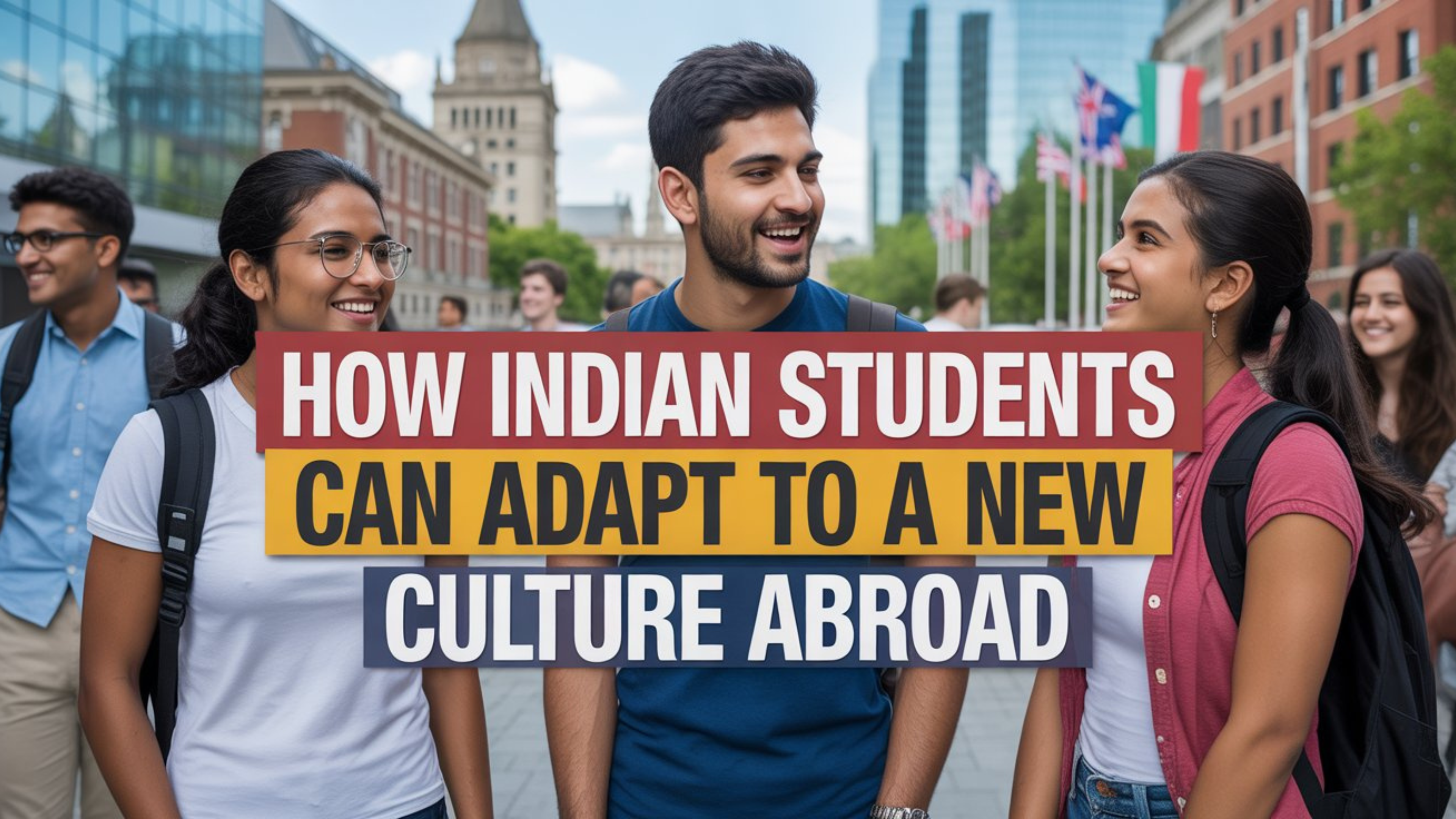
-
04-Oct-2025

Introduction
Studying abroad offers an unparalleled opportunity to experience new cultures, education systems, and lifestyles. However, for Indian students, adapting to a foreign culture can be both exciting and challenging. Cultural differences, language barriers, and unfamiliar social norms can sometimes create feelings of isolation, stress, or confusion.
This guide provides practical tips for Indian students to adapt successfully to a new culture abroad while making the most of their international education experience.
Understand and Respect the Local Culture
One of the first steps in adapting is to understand the local culture:
Learn about traditions, customs, and etiquette: Knowing the do’s and don’ts helps avoid misunderstandings. For example, greeting styles, table manners, or social norms may differ widely.
Observe and ask questions: Watch how locals interact and ask polite questions to gain insight. Most people appreciate genuine interest.
Be open-minded: Avoid comparing every cultural practice to home. Embrace the differences as learning opportunities.
Tip: Even small efforts, like learning basic greetings or phrases in the local language, can go a long way in building connections.
Improve Language Skills
Language can be a major barrier to adaptation:
Practice daily communication: Engage in conversations with classmates, neighbors, or local community members.
Use language learning apps: Tools like Duolingo, Babbel, or Tandem can help you improve vocabulary and confidence.
Participate in study groups: Academic settings often encourage group discussions, which improve language fluency.
Tip: Confidence matters more than perfection. Don’t be afraid to make mistakes while speaking the new language.
Embrace Local Food and Lifestyle
Food and lifestyle habits abroad may be different from what Indian students are used to:
Try local cuisines: Experimenting with local food can make cultural immersion enjoyable. Start gradually to adjust your palate.
Balance Indian comfort food: Cooking or buying familiar ingredients can provide emotional comfort.
Participate in local activities: Festivals, cultural events, and community activities help understand and appreciate the lifestyle.
Tip: Maintain a balance between embracing new experiences and staying connected to your cultural roots.
Build a Support Network
Having a support system is crucial for emotional and social adjustment:
Connect with fellow Indian students: Student associations or Indian cultural clubs provide a sense of community and familiarity.
Make local friends: Interacting with locals helps in understanding the culture more deeply and improves language skills.
Seek mentorship: Senior students or alumni can guide you in academic, social, and cultural adaptation.
Tip: A diverse support network helps you feel secure and confident in navigating the new environment.
Understand Academic Expectations
Education systems differ worldwide:
Familiarize yourself with classroom norms: Participation, group work, and presentation styles may be new.
Adapt to teaching methods: Some countries focus on self-directed learning while others emphasize structured guidance.
Seek academic help if needed: Professors, tutors, or student support centers can clarify doubts and guide your progress.
Tip: Understanding academic expectations early reduces stress and enhances performance.
Stay Open-Minded and Patient
Adapting to a new culture takes time and patience:
Expect cultural shock: It is normal to feel overwhelmed initially. Emotions like frustration or homesickness may arise.
Learn from mistakes: Misunderstandings happen. Treat them as learning experiences rather than setbacks.
Celebrate small victories: Successfully navigating local transport, festivals, or social interactions is progress.
Tip: Patience and positivity are key to long-term cultural adjustment.
Take Care of Mental and Emotional Health
Cultural adaptation can be stressful. Mental health should remain a priority:
Practice mindfulness and self-care: Exercise, meditation, or hobbies help relieve stress.
Seek counseling if needed: Most universities provide mental health support for international students.
Stay connected with family and friends: Regular communication helps reduce homesickness.
Tip: Recognize when stress is affecting daily life and seek help early.
Participate in Cultural Exchange Opportunities
Immersing yourself in the local culture accelerates adaptation:
Join clubs and societies: University clubs, sports teams, or cultural societies promote interaction and cultural understanding.
Attend workshops and events: Language workshops, cultural festivals, or volunteer programs enhance your experience.
Travel locally: Exploring the country helps understand the lifestyle, history, and traditions first-hand.
Tip: Active participation fosters friendships, improves confidence, and builds a sense of belonging.
Maintain Your Identity While Adapting
Adapting does not mean losing your cultural identity:
Share your culture: Introduce Indian traditions, food, and festivals to friends abroad.
Celebrate Indian festivals: Organize events or join cultural communities abroad.
Balance integration with personal identity: Embrace the new culture while staying connected to your roots.
Tip: A strong sense of identity boosts confidence and helps in meaningful cross-cultural interactions.
Conclusion
Adapting to a new culture abroad is a gradual process that requires patience, open-mindedness, and proactive efforts. Indian students can thrive abroad by:
Understanding and respecting the local culture
Building language skills and social networks
Engaging in local experiences while maintaining personal identity
Taking care of mental and emotional well-being
With the right approach, studying abroad becomes not only an educational opportunity but also a life-transforming cultural experience. Embrace the journey with positivity, and it will lay the foundation for both personal growth and professional success.


